
Modern Quality Engineering: Building a Scalable QA Strategy for Web Applications
.png)
Modern QA goes beyond finding bugs before release. Learn how Quality Engineering helps teams build reliable web applications through early testing, automation, CI/CD, real world testing, and smart prioritization.
When I first started learning about QA, I thought testing was mostly about finding bugs before a feature was released. As I’ve learned more about modern QA, I’ve realized it goes much further than that.
Web applications keep changing quickly and teams release new features more often, QA needs to be part of the development process from the beginning. This is where Quality Engineering comes in.
So, what does a good QA strategy actually look like?
1. Start Early
One of the first things that stood out to me about modern QA is the idea of “shift left.”
Simply, it means getting involved before development is finished and ideally before coding even starts.
For example, imagine the team is building a login feature. Instead of waiting for the feature to be ready, QA can start asking questions early:
What happens if the password is incorrect?
What if the email is invalid?
What happens after several failed login attempts?
Does the feature work properly on mobile?
These questions might seem simple, but they can help the team spot gaps before they turn into actual bugs.
2. Don't Rely on Single Testing
There isn't one test that can tell us whether an application is truly working well. Different types of testing helps to view the application from different angles.
Unit tests check small pieces of code.
API and integration tests check whether different parts of the application communicate correctly.
UI tests check important user journeys through the application.
Exploratory testing, where we use the application more freely and try different scenarios that may not be covered by existing test cases.
As a QA beginner, I think of it this way: automation can tell us whether something we already expect still works, while exploratory testing can sometimes help us discover things we didn't expect at all. Both are important.
3. Automate the Repetitive Workflow
Automation is one of the biggest parts of modern QA, but it's easy to think that more automation automatically means better quality. It doesn't.
If a test is repetitive, predictable, and needs to be run regularly, it's probably a good candidate for automation.
For example, login, search, checkout, or other critical user journeys can be automated so the team doesn't have to manually repeat the same checks after every change.
That doesn't mean manual testing is not necessary. In fact, automation gives QA more time to focus on things that need human judgment like usability, unusual scenarios, and exploratory testing.
4. Bring QA Into CI/CD
Web applications can change very quickly. If we wait until the end of a sprint to test everything, problems can pile up.
This is where CI/CD (Continuous Integration and Continuous Delivery) becomes useful.
Automated tests can run whenever new code is added, giving the team feedback much earlier.
A simple flow looks like:
Code - Build - Automated Tests - QA - Deploy
If something breaks, the team can find out sooner rather than discovering it after the feature reaches users.
It also helps make quality a shared responsibility. Developers can see test results, QA can focus on higher-risk areas, and everyone gets feedback from the same process.
5. Test like Real World User
A feature can pass all our test cases and still give users a frustrating experience
That's why QA also needs to think beyond the happy path.
For a web application, we might need to check:
Different browsers and devices
Mobile responsiveness
Accessibility
Performance on slower networks
Error messages and failure scenarios
For example, a page might work perfectly on a fast laptop with a strong internet connection but behave very differently on a mobile phone with a weak connection.
Thinking about situations like these is what makes testing feel closer to the real world.
6. Prioritize What to Test
As an application grows, the number of things we could test grows with it. We simply can't test everything every time.This is where prioritization becomes important.
A login or payment feature may need much more attention than a small UI change because the impact of failure is much higher.
So instead of asking, “How can we test everything?”, a better question is:
“What could cause the most problems for our users, and are we testing that properly?”
That mindset can make a QA strategy much easier to scale.
Conclusion
Modern Quality Engineering is not about having the biggest test suite or automating every possible scenario. It's about getting involved early, choosing the right type of testing, automating repetitive work, using CI/CD for faster feedback, and always keeping the real user in mind.
As someone starting out in QA, one of the biggest lessons for me is that good testing isn't just about finding more bugs. It's about helping the team prevent problems and build a product users can rely on.
And that's what makes QA more than just a final step before release. It becomes part of how we build quality into the product from day one.
Recommended for you
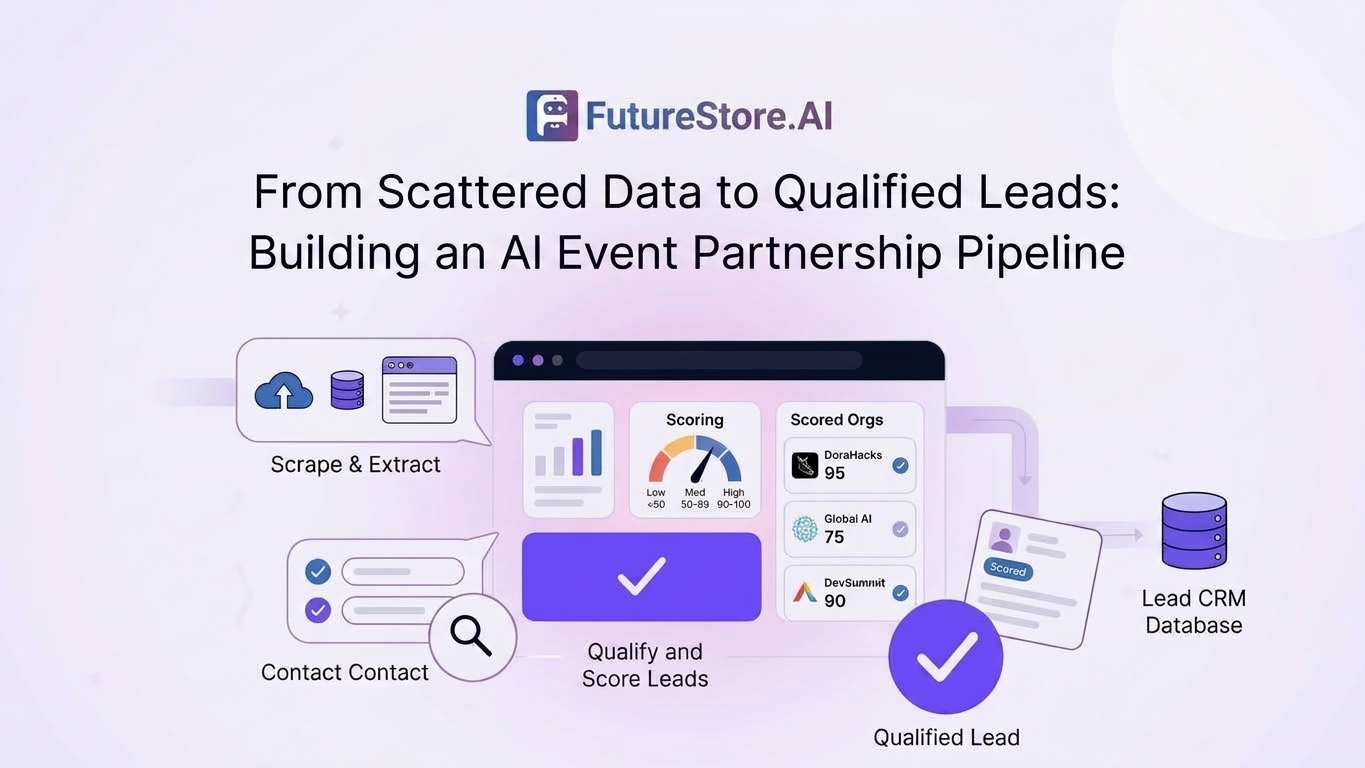
From Scattered Data to Qualified Leads: Building an AI Event Partnership Pipeline
How automated discovery, web scraping, data extraction, qualification, lead scoring, and CSV export turn scattered online information into structured partnership leads.
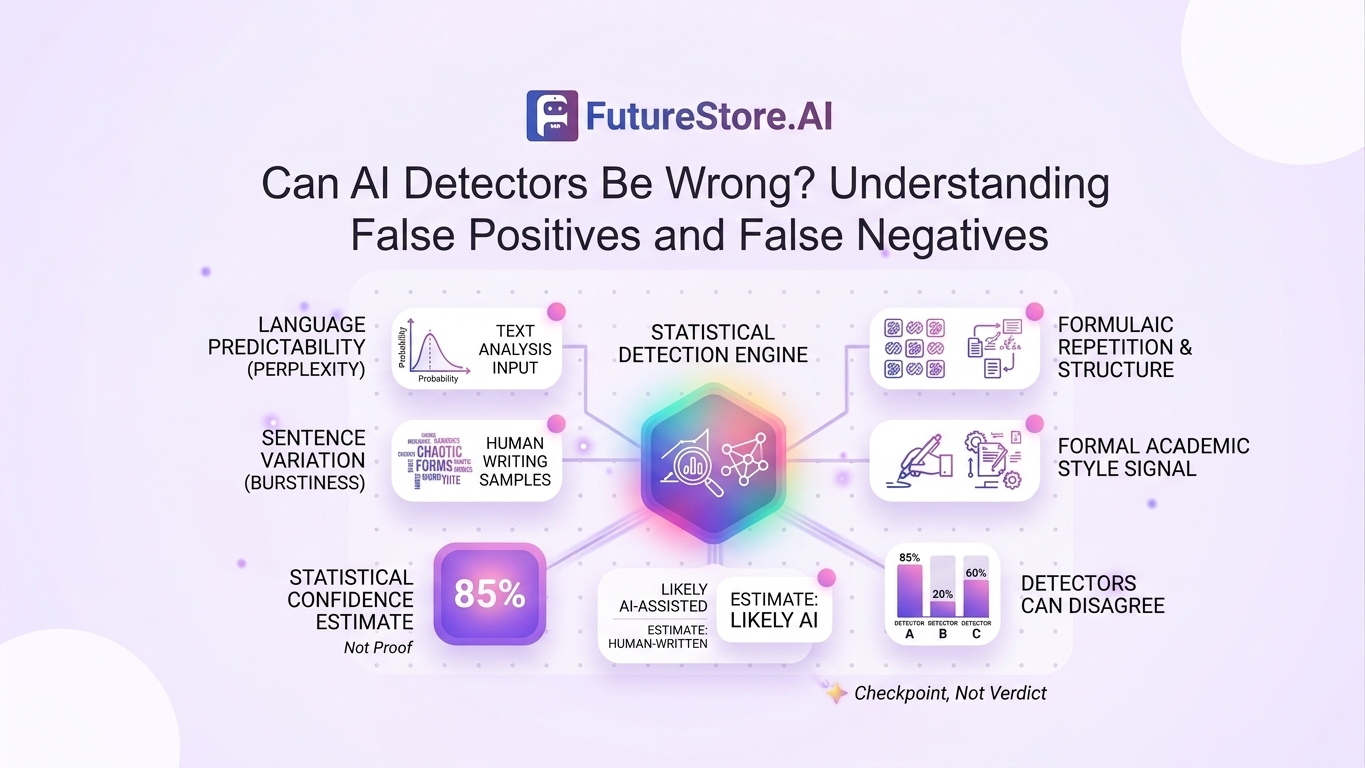
Can AI Detectors Be Wrong? Understanding False Positives and False Negatives
AI detectors can produce both false positives and false negatives. Learn how AI detection works, why results can vary, and why detection scores should be treated as indicators rather than definitive proof of authorship.
.png)
The AI Landscape in 2026: What You Need to Know
Explore the key trends shaping AI in 2026, from rapidly evolving AI models and multimodal systems to AI agents, automation, opensource AI, and the growing role of AI in everyday productivity.